Breaking Into Film & TV : What Actually Works
Moving from Canada to Los Angeles showed me just how different the industry really is — not just culturally, but operationally. Even production paperwork told a different story. In one Canadian city, what’s shooting often spanned multiple pages — a reflection of the depth of crews involved and the pace of work. In L.A., people are squeezed and competing for work that rests on a single page. That contrast alone is alarming, especially for “Hollywood,” where people insist you have to come here to make it — even as many are already making money abroad.
By the time I arrived, I already felt “out” of the business. COVID had reshaped everything, and when a close stunt friend fell into a coma, it forced me to sit with some hard questions about my own why. I started reflecting deeply on what Film & TV had given me, what it had taken, and whether I still belonged in it. I even wrote about quitting the industry for The Guardian. It wasn’t dramatic — it was honest. Sometimes stepping away is part of understanding what you actually care about.
Before all of that, I spent years working across all seven stages of production — from the floor itself (literally painting it) to falling on it while doing stunts. I did a little of everything because I couldn’t justify paying for film school, especially while still carrying student loans from computer networking. Every skill I picked up came from proximity, persistence, and curiosity.
I’ve always been what I call a “hack learner.” I take courses here and there. I seek mentorship when I can. I learn by watching, by doing, and by asking questions. To me, education doesn’t end with a degree or a line on a résumé — it’s a continuous pursuit. Growth doesn’t stop just because school does.
What people don’t always see from the outside is how layered this industry really is. It’s frustrating when you’re looking in. It’s also frustrating when you’re inside looking around — watching families hire each other, friends pull friends forward, and realizing you’re competing for space in what feels like a one-percent ecosystem. Trying to make a living in that environment takes resilience, humility, and a lot of unpaid emotional labor.
At one point, I hustled so hard that I painted a window on set one day — and crashed through that same window the next day doing a stunt (see 12 Monkeys). Most people didn’t even notice it was the same person. One day, I showed up in paint clothes and a black crew hat. Next, I was in a wig, doubling one of Hollywood’s hottest actresses. I felt like a spy. It was surreal, exhausting, and kind of magical.
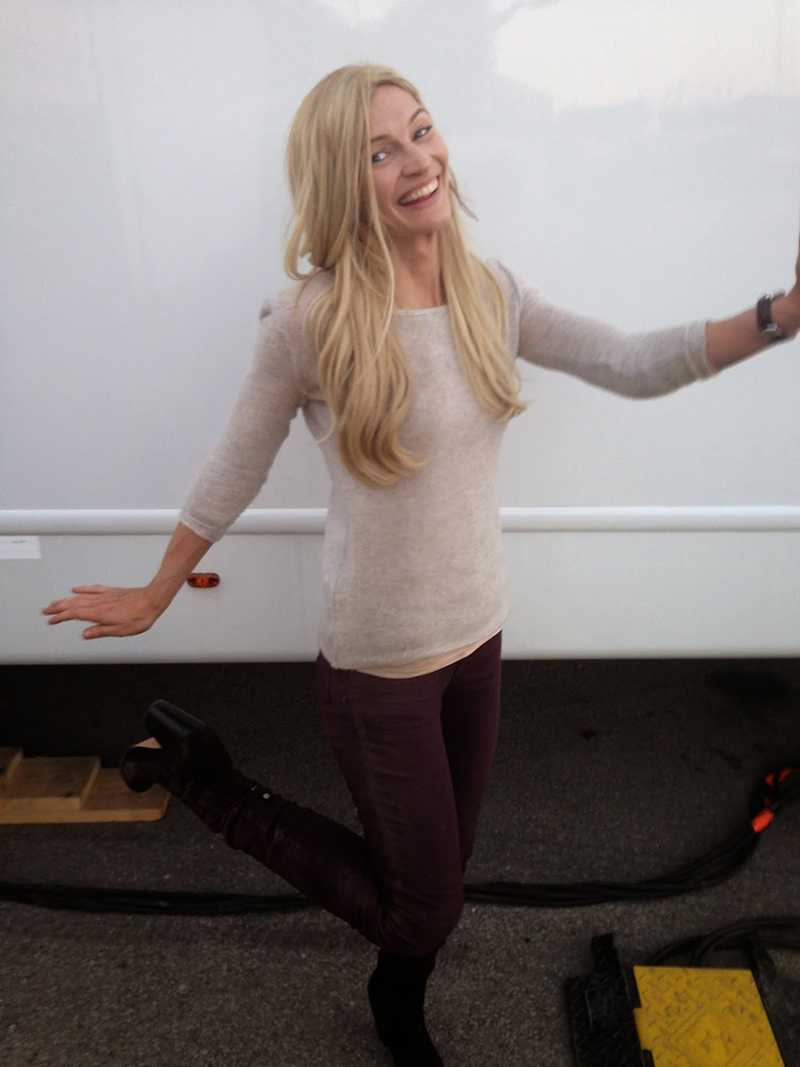
12 Monkeys
Stunt Double for actress Amanda Schull
Along the way, I gathered stories, lessons, and a deep respect for every role on set — from the quiet grinders to the people in front of the camera.
A few months ago, I shared a post on LinkedIn about breaking into Film & TV, and it unexpectedly went viral. That moment reminded me that people are hungry for transparency. They want real talk, not fantasy. The truth is, most screen industry jobs still come through word of mouth, referrals, and repeat hires. Hustle matters. Being reliable matters. Showing up with curiosity matters.
But if you don’t have connections yet, that doesn’t mean you’re out — it just means you start where you are. I built my network from the ground up by being a fly on the wall, taking entry-level work, learning the rhythms of set life, and saying yes whenever I could.
That’s why I share what I’ve learned now. Because open education matters to me. Because underrepresented voices deserve visibility. And because navigating high-pressure environments — whether in Film & TV, aviation, UX, or competitive sport — teaches you things worth passing on.
This blog is part of that sharing. It’s a space for real-world insights, practical tools, and honest reflection. Thank you for reading my first post.
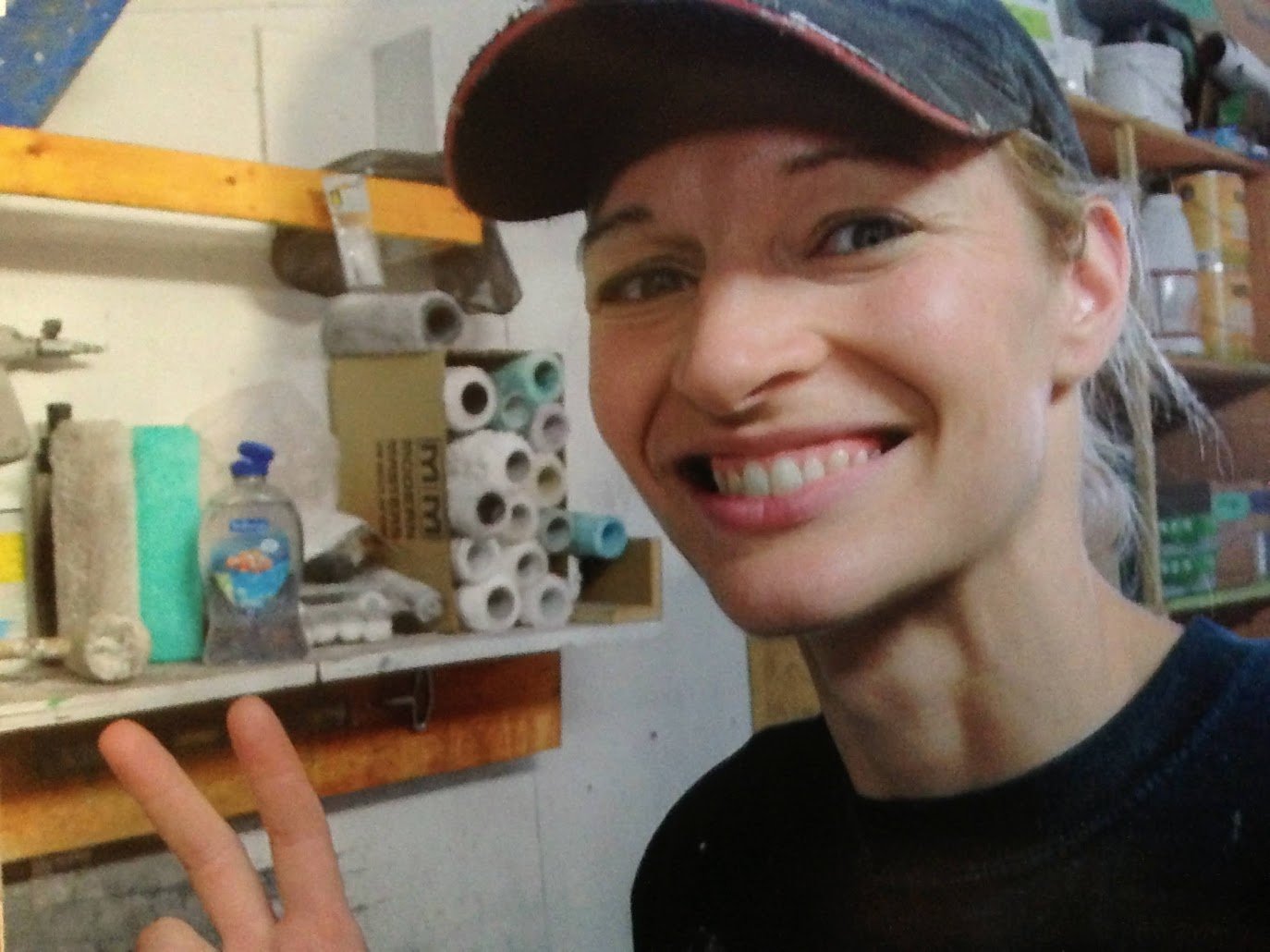
12 Monkeys
Scenic Painter
Here’s where I’d start if I were breaking in today 👇
🇺🇸 U.S.
🎬 EntertainmentCareers. net – great for entry-level and internships
🎬 Staff Me Up – THE place for production gigs (especially reality, doc, & indie)
🎬 ProductionHUB – freelance and crew calls nationwide
🎬 Film & TV Facebook groups like “IA Production Assistants.”
🎬 Made in NY PA Training Program – a solid launchpad if you're in NYC
🎬 Sundance Collab – workshops, community, and networking for indie creators
🎬 Film Independent – especially helpful if you're L.A-based
🎬 Ghetto Film School – early access to creative career paths
🎬 Roadmap Writers – for aspiring screenwriters
🎬 Writers Guild Foundation – Script Coordinator and Writers' Assistant labs (essential for breaking into the writers’ room!)
🎬 The Black TV & Film Collective – mentorship and access
🎬 Women in Film – advocacy + job boards
🎬 NALIP (Latinx creators), CAPE USA (AAPI creatives), and Brown Girls Doc Mafia – community-based entry points
🎬 UTA, WME, CAA career pages – assistant jobs are brutal but they open doors
🎬 Your local film commission website often posts crew calls for shoots in your state
🇨🇦 Canada
🎬 Media Job Search Canada – jobs in production, radio, digital, and post
🎬 CBC Careers – production assistant, researcher, and editorial roles
🎬 CMPA Job Board – hiring on indie film and TV projects
🎬 National Screen Institute – killer programs for writers, producers, and directors
🎬 Creative BC – film funding, crew training, job listings
🎬 Ontario Creates – industry news, skills dev, and grants
🎬 BIPOC TV & Film – community, mentorships, and job calls
🎬 ACTRA & DGC – their trainee programs are worth watching